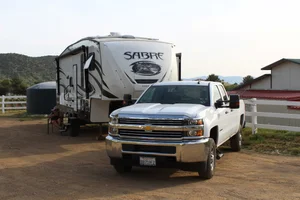
The Cost Of Freedom
Freedom is one of the most romanticized ideas in modern life.
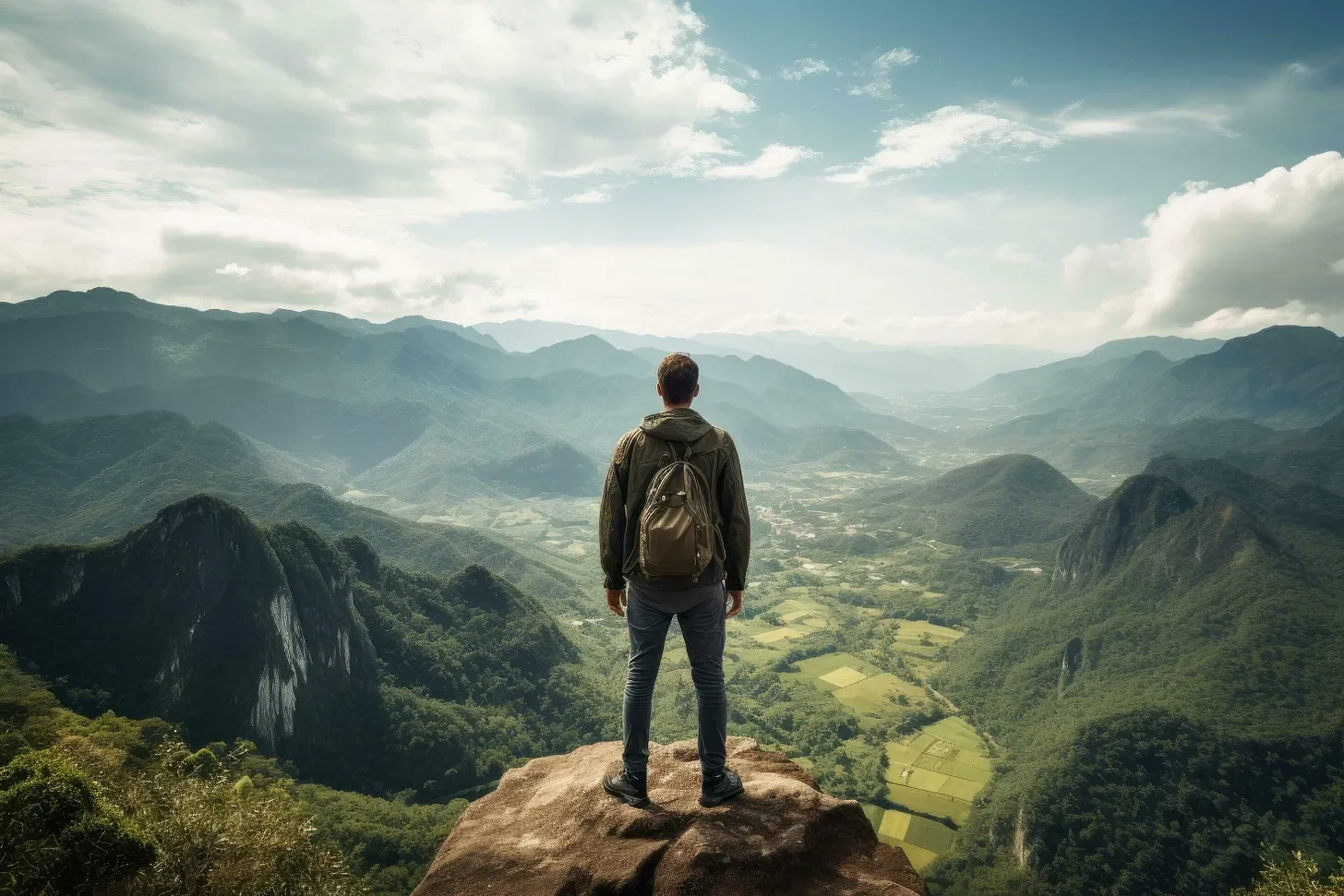
People picture mountain roads, endless skies, campfires in the desert, waking up wherever the wheels stop turning, they also picture escape, peace, simplicity, and what they rarely picture is the cost. Not the financial cost, but the internal one, because freedom will ask you to sacrifice comfort long before it rewards you with peace.
The cost of freedom will also strip away routines you once depended onc, and will expose the habits, fears, and distractions that kept you feeling safe. It will also force you to confront silence without drowning it out with noise, and if you keep going anyway, eventually you realize something: Freedom was never about running away, but it was actually about finally becoming honest with yourself.
One thing about me is I used to think freedom was a destination, sort of a place somewhere beyond the horizon where life would suddenly make sense.
Maybe it was a different city, or maybe a dirt road in the middle of nowhere, or maybe a life without clocks, obligations, or expectations, but after years of chasing movement, I learned something difficult.
Nomadic by Nature is a reader-supported publication. To receive new posts and support my work, consider becoming a free or paid subscriber.
I learned that difficult thing you can was you can change your location without changing yourself, you can drive a thousand miles and still carry the same fears in the passenger seat, the thing is that realization changes you, because eventually the road stops being about escape, and it becomes about confrontation.
The road also has a way of stripping you down to who you really are. The with no distractions, and no polished image, but a carefully curated identity, just about you.
Then there are some days, that honesty is heavier than expected, that there is a version of freedom nobody talks about, but it was the lonely version.
The version where you question whether walking away from normal life was brave or reckless.
The version where you miss people you thought you had outgrown.
The version where you realize stability has value even if you never truly belonged inside it.
Social media though rarely shows that side, and nobody posts the uncertainty. Also nobody is willing to post the nights where doubt gets louder than confidence, or post the exhaustion of constantly rebuilding yourself, but that side exists in you, and in many ways, it is the price of becoming something different, because growth is really uncomfortable.
Real growth though is not aesthetict, it is not filtered, and it is not cinematic. Sometimes growth looks like sitting in silence trying to figure out who you are after removing everything that once defined you, and that process can feel brutal.
The truth is, freedom demands responsibility not the kind society talks about, or the mortgages, or promotions, and not chasing approval. I mean responsibility for your own existence. When you stop living according to everyone else’s expectations, there is nobody left to blame for the direction of your life. That realization can either break you or wake you up, because once you accept ownership over your life, excuses become harder to hold onto. You either move forward intentionally, or you drift, and drifting is dangerous. Especially when you convince yourself that movement alone equals progress, which I learned that the hard way.
There were moments where I confused escape with evolution, and moments where I thought distance automatically meant healing. Moments where I believed solitude alone would create clarity. The thing is sometimes it did, and sometimes it didn’t, but every mile taught me something.
Mostly what it taught me was that freedom without direction eventually becomes isolation, and that is why purpose matters. It was not perfection, or certainty, but purpose even if it changes over time.
People often ask why someone would choose this kind of life, why leave stability behind? Why abandon predictability? or why trade comfort for uncertainty?
The answer is complicated, because some people were never meant to spend their lives sleepwalking through routines that slowly drain them.
Some people feel it early, and also the pull toward something bigger. Something undefined, or something impossible to explain.
It is not always about travel either, and it is not always about adventure.
Sometimes it is simply about refusing to betray yourself any longer, and also it is that refusal changes everything.
Once you realize you are living a life that no longer aligns with your spirit, staying the same becomes more painful than changing, and that is where the journey begins, it is not when you leave, but when you decide you cannot keep pretending.
I think many people are searching for freedom without realizing what they are actually searching for. They think they want less responsibility, but often they want more meaning.
They think they want escape, but often they want alignment.
They also think they want a new environment, but often they want a new relationship with themselves that distinction matters, because no amount of movement can fix internal disconnection.
Eventually though you have to stop running long enough to listen to your own thoughts, and for many people, that is thought alone is very terrifying.
Keey in mind though we live in a world built on distraction, be it the constant noise, or the constant comparison, or maybe the constant pressure to perform.
Silence thought really feels foreign now, but silence reveals things, it reveals whether your life actually belongs to you.
There is also another side to freedom people do not expect, and that is Gratitude.
We are not talking about performative gratitude, but real gratitude, the kind that comes from realizing how little you actually need to feel alive. May be its a sunrise over an empty desert, or a cup of coffee in the cold morning air, or may a quiet road with no destination, and possibly a conversation that feels genuine, or maybe a moment where your mind finally stops racing. Those are the moments that begin to matter differently. The point where you stop chasing excess, and you stop needing constant validation, and stop measuring your life according to standards that never truly belonged to you. This is the part where you slowly start building a life that feels honest, not perfect, not easy, just honest.
Freedom has cost me certainty, tt has cost me comfort, it has also cost me relationships. The truly sad part is that it has cost me versions of myself I thought would last forever, and even with that it has also given me perspective.
It taught me that peace is not found in accumulation. It taught me that identity should not be built around other people’s expectations, but it taught me that authenticity often requires walking away from environments that no longer fit who you are becoming, but most importantly, it taught me this: You cannot discover yourself while constantly performing for the world, and at some point, you have to step outside the noise long enough to hear your own voice again.
That is the real journey, not miles not destinations, and not even aesthetics, but Truth.
Earlier we stated that the cost of freedom is high, but so is the cost of staying trapped in a life that no longer feels like yours, and eventually, everyone has to decide which price they are willing to pay.
For me, I chose the road, it wasn’t because it was easier, but because I needed to know who I was without the world telling me who I should be.
Honestly though? I am still figuring that out, but for the first time in a long time, the life I am building finally feels like it belongs to me.
Nomadic by Nature is a reader-supported publication. To receive new posts and support my work, consider becoming a free or paid subscriber.
— Nathan Jones Nomadic By Nature
Please click the link and subscribe to my Substack for more Nomadic content