Practical Reality of living free
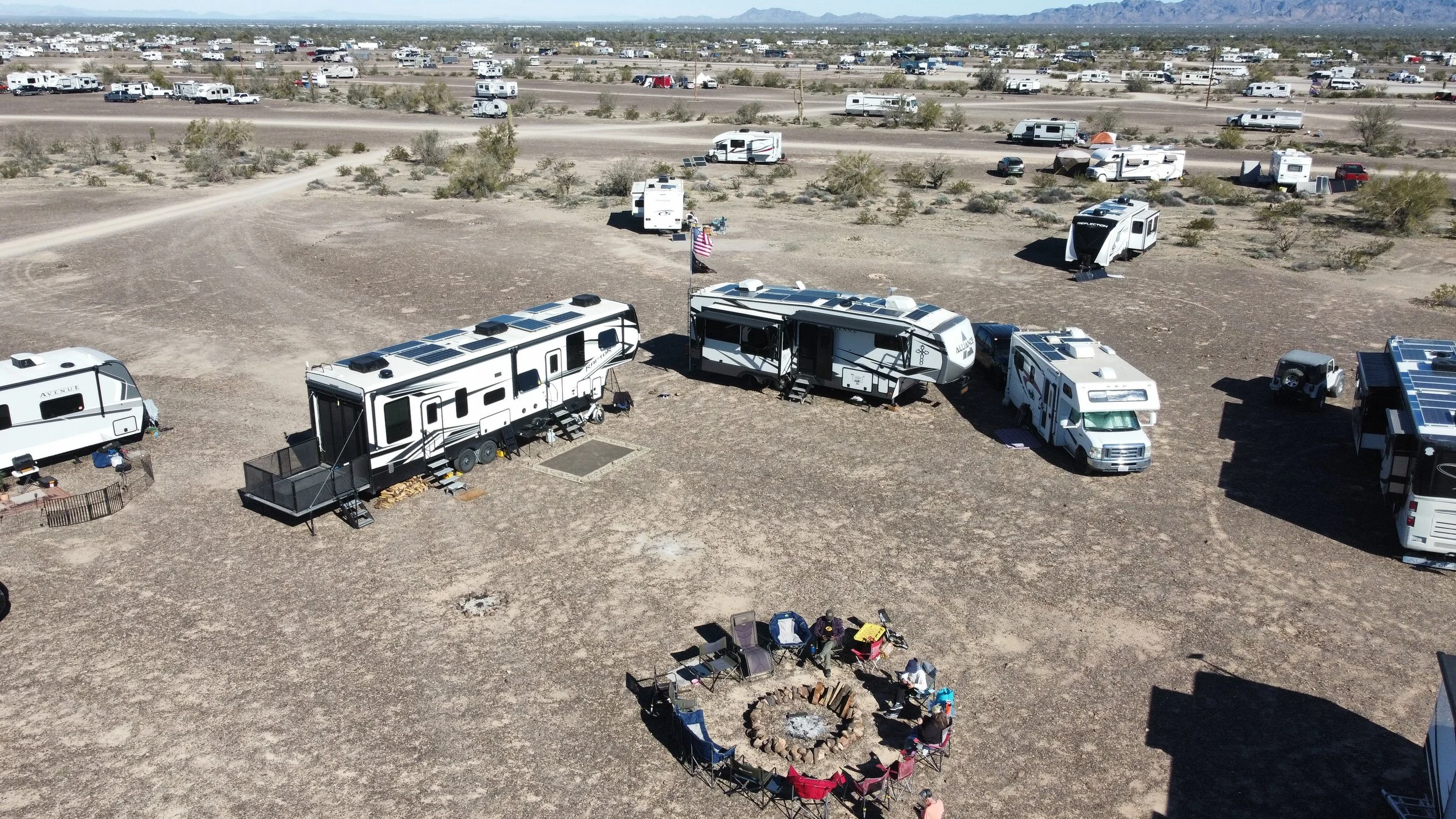
People see the open road, the sunsets, the quiet mornings, the changing landscapes, and the idea of waking up wherever we decide to park our home for a while. We see the romance of it; we also see the space and the escape.
What we don't always see is the planning that goes into it. Living free does not mean living without responsibility. In many ways, though, it means becoming more responsible than we ever have been before, because now the structure is no longer being handed to us, but we have to build it ourselves.
There always comes a point in the nomadic life when the dream has to meet the ideas in our head. In the beginning, most of us are drawn to the big ideas; we want out, we want space, we also want movement, and we always want to stop living a life that feels too small, or too predictable, or too crowded with obligations that no longer belong to us.
I understand all those feelings because what we are feeling is part of what brought us here in the first place, but once we make the leap, the road begins teaching us something very quickly. It starts to teach us that freedom is not a feeling, but freedom is practice, but freedom is also a system, and it is a daily relationship with the real things that keep our life moving forward.
The thing is we may want to view it, but we still have to know how much water is in our tank. You can want the silence, but we will have to make sure our batteries are charging; we can want the open road, but we still have to know where we want to go, or how to find a place to sleep. How far we can safely drive, and what the weather is going to do, but ultimately we also need to know if our rig is ready for all the miles coming ahead of us. The thing is that does not take away from the beauty of the life we choose to live; it protects it. One of the biggest lessons I have had to learn after all these years on the road is that the practical things are not separate from freedom; it is what makes freedom possible.
A lot of people imagine freedom as having no rules, but out here you learn that freedom without structure can quickly turn into stress. If you don't manage your water, you lose comfort; if you don't manage your power, you lose options; if you don't manage your money, you lose the ability to move; if you don't manage maintenance, you will lose reliability; and if you don't manage your emotions, you will lose peace, and that is the part nobody wants to put on a postcard or in your journal. The beautiful part of life still has responsibilities; the simple life also still requires attention, and there is nothing wrong with that. In fact, there is something deeply honest about it.
When we live this way long enough, we stop seeing responsibility as the enemy of freedom, and we begin to understand that responsibility is what allows us to have freedom and to also make it last, and that was the shift for me.
When I was still living my "other" life, just like a lot of people, I understood structure through the job I worked, the bills I had to pay, the deadlines I had to meet, the routines and the expectations. So much of that structure was built by someone else, and some of it was needed, but some of it was mostly noise, and some of it helped me survive, but a good part of it kept me locked into a version of myself I had already outgrown.
When I stepped into this life, I was not looking for chaos; I was looking for a life that felt like it finally belonged to just me, but also a life that belonged to me still had to be maintained by me as well.
That means the freedom that I live now is not careless; it is definitely intentional. I have to think about where I park, how I travel, how long I stay, how much fuel I may use, how much food I may want to carry, and what tools may be needed. I also have to maintain my rig by making all the repairs, and I have to watch the weather and how it is moving across the places I may visit. Trust me, all that may sound glamorous, but it is more reality than not, and that is where this life actually lives.
The nomadic life is not made of only mountain views, desert sunsets, campfires, and long empty highways; it is also made up of tire pressure checks, dumping tanks and checking batteries, route planning and making sure we have enough propane, but it's also about not pushing ourselves to our limits. That is not the complaint it sounds like; it is just the truth of everyday nomadic life. If we can make peace with that truth, this life becomes so much more sustainable because the practical side of living free does not ruin the dream; it only makes it better.
It truly takes freedom fantasy and turns it into a beautiful way of life. There is also a beautiful difference between wanting to be free and knowing how to live free. Wanting to be free, though, can be emotional. That emotion can come from frustration, exhaustion, loss, or pressure, or the quiet realization that the life we are living no longer fits, but knowing how to live free takes patience, humility, preparation, and it takes the willingness to learn from mistakes without letting those mistakes convince you that you do not belong out here.
Every nomad eventually learns the following: that the road will give you beautiful moments, but it will also ask questions of you like, do you know how your rig works, do you know what you actually need to be successful on your own, do you really know how much is enough, do you know when to move or when to stay because the weather may be shifting, or do you know how to just sit with yourself when there is no one else around. Those are the practical questions nomads get asked and answer almost every day, but they are also the personal ones that we have to make sure we know the answers to ourselves. That is why the next phase matters, because once the decision to live nomadically has been made, the questions become how do you actually do it? How do you build a life that is free, but not reckless, how do you stay open without being unprepared, how do you keep moving without running from yourself, how do you simplify your life without romanticizing the struggle, and how do you create peace without pretending the hard parts do not exist? That is the ground we are walking into now, the practical reality of living free, no sales pitch, no fantasy, not the highlight reel version either, but the real thing. The part of the journey where freedom has to become livable.
For me, this life has never been about proving that everyone should live the way I live; it has been about showing what happens when a person chooses to live a life with more intention, more honesty, and with more room to become who they truly want to be, but the best intentions need a plan. They honestly need discipline. Freedom needs caring. That care shows up in small ways: it shows up when you check the systems in your rig before something breaks, it shows up when you decide not to drive just because you are restless, it shows up when you budget for repairs instead of pretending nothing will ever break. It also shows up when you learn that comfort is not weakness and preparation is not fear, and it finally shows up when you stop chasing the image of nomadic life and start respecting the reality of it. That is when the road and nomadic life begin to change you, not because it is easy, but because it asks you to become more aware of life and more aware of your resources, habits, surroundings, limits and choices, and maybe most importantly, aware of the fact that freedom is not something you escape into.
Freedom is something you learn how to carry.
So as we move into this next chapter of Nomadic By Nature, I really want to talk more about what it really takes to live free, not just emotionally, not just spiritually, but practically, because this does not remove responsibility from our lives; it gives us the chance to choose which responsibilities are worth carrying forward, and that is the difference.
Living free is not about having no obligations; it is about building a life where the obligations finally start making sense, and once we understand that, then the practical things stop feeling like a burden, and start to become a part of the freedom we are seeding.