The Quiet Discipline of a Nomadic Life

The Quiet Discipline of a Nomadic Life
From an outsider's perspective, nomadic life often appears to be the epitome of freedom. People envision open roads, serene campsites, breathtaking desert sunsets, majestic mountain vistas, and mornings unburdened by alarm clocks. They see picturesque photographs taken beside tranquil lakes, beneath expansive skies, or in remote locations where neighbors are miles away.
However, what often goes unseen is the profound discipline required to sustain this freedom. The constant vigilance over dwindling water supplies, the careful monitoring of battery levels before powering another appliance, and the meticulous attention to weather forecasts, maintenance schedules, fuel calculations, and financial decisions are all integral parts of this lifestyle. There is also the essential restraint needed to operate within the inherent limits of a chosen nomadic existence. While a nomadic life may seem spontaneous, enduring freedom is rarely accidental; it is the product of quiet, daily discipline.
One of the greatest draws to nomadic life is the autonomy to make personal decisions. Nomads choose their destinations, the duration of their stays, and when to move on. They can awaken by the ocean, spend a month in the desert, or chase cooler temperatures into the mountains. Their schedules are their own in a way they may never have experienced before. Yet, freedom does not eliminate limitations; it merely shifts the responsibility of managing them to the individual.
In a conventional home, water flows effortlessly from the faucet, electricity is readily available with the flip of a switch, and trash vanishes weekly. While inconvenient, the weather typically does not dictate whether one's home must relocate. On the road, these aspects become part of daily awareness. Nomads quickly learn that freedom is not the absence of responsibility, but rather the willingness to accept it without relying on others for management. This inherently demands discipline.
Water is one of the first resources that fundamentally alters a nomad's perspective. When the water supply is confined to the capacity of a tank, every gallon becomes precious. Long showers are shortened, faucets are not left running unnecessarily, and dishwashing methods adapt. Nomads begin to proactively consider where they will replenish their tanks and how long their current supply must last.
This shift does not necessarily feel like deprivation; over time, it evolves into heightened awareness. Water teaches mindful consumption, dispelling the assumption that an endless supply will always be available. It encourages an understanding of the distinction between genuine needs and habits ingrained by abundance. This lesson extends far beyond the water tank; learning to conserve one essential resource often cultivates greater thoughtfulness about all others.
Living with solar power transforms one's relationship with electricity. The sun cannot be commanded to shine simply to operate a microwave, induction cooktop, air conditioner, or coffee maker. Some days offer an abundance of energy, while others bring clouds, shorter daylight hours, or shade that limits production. The thing is nomads learn to adapt to these conditions rather than ignore them.
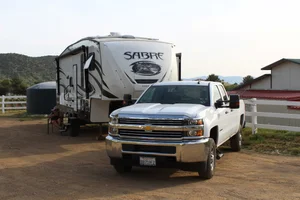
Laundry may be postponed until batteries are fully charged, and high-draw appliances are typically used during peak solar production. On cloudy days, unnecessary loads are reduced. Battery levels, inverter capacity, and expected weather become integral to the daily rhythm. While not always convenient, this teaches cooperation with natural elements. Energy is no longer perceived as something that appears without consequence; instead, it is recognized as a resource that must be collected, stored, and managed. This discipline is often invisible; no one sees the decision not to use an appliance due to a cloudy forecast, all that they see is the idyllic instagram or facebook photograph of a campsite beneath a beautiful sky. A beautiful rig sitting in the background and a clear star filled sky.
While a nomadic lifestyle can reduce certain expenses, it does not eliminate the need for financial discipline. This is usually the most talked about or asked about topic from those who want to be nomads, and even among nomads who are hoping to live a little more free.
Fuel, campground fees, and unexpected repairs still incur costs. Tires wear out, and insurance, food, internet service, vehicle registration, healthcare, and general maintenance continue regardless of the scenic beauty. Nomadic life can be affordable, but only when one is honest about what is financially sustainable. It is easy to overspend while chasing new destinations, upgrading equipment, or attempting to replicate every household convenience within a vehicle or RV. It is also easy to compare one's life to online personalities whose budgets, incomes, sponsorships, or debt levels are unknown. Discipline means understanding one's own financial figures. It entails slowing down when fuel prices are high, opting for public land when the campground budget is depleted, and postponing non-essential upgrades. It also means maintaining an emergency fund, as something inevitably will break. Financial freedom is not achieved by pretending money is irrelevant; it is created by refusing to let careless decisions jeopardize that freedom. If you are interested to learn more about the financial needs of nomads, check out my ebook "How Do Nomads Actually Make Money" is available on amazon. This topic is why i felt the need to put into writing one of the most asked or talked about subjects for wanting to be nomads and even among nomads trying to live a little more free.
Many imagine nomadic travel as having the freedom to go anywhere, anytime. However, the weather often dictates otherwise. Strong winds can ground a vehicle when movement was planned. Extreme heat can render a beautiful location unsafe. Freezing temperatures pose a threat to plumbing and batteries. Heavy rain can transform an easy dirt road into a treacherous trap. Snow can close mountain passes, and wildfire smoke can necessitate an earlier departure from an area than anticipated. The disciplined nomad learns to respect the forecast. This involves checking conditions before travel days, understanding the limitations of their rig, and being willing to alter plans. It means accepting that sound judgment is more important than rigidly adhering to an itinerary. There is no reward for towing through dangerous winds or enduring extreme temperatures merely to prove a point. Sometimes, discipline manifests as movement; other times, it means staying exactly where one is.
Every nomadic home is also a vehicle, and every vehicle eventually requires attention. Roofs must be inspected, and tires, bearings, brakes, seals, batteries, plumbing, solar equipment, and suspension components must be monitored. Small problems must be addressed promptly to prevent them from escalating into costly emergencies. While luck plays a role, consistent attention, understanding how systems function, conducting regular inspections, and correcting issues early are crucial. Maintenance is not the glamorous aspect of the lifestyle; no one builds a social media following by posting pictures of roof sealant, wheel bearings, water leaks, or battery connections. Yet, these ordinary tasks are what sustain the journey. Freedom has moving parts, and if ignored long enough, they will inevitably assert their existence.
The most challenging resource to manage may not be water, power, or money, but oneself. When there is no boss dictating a schedule and no permanent address establishing a routine, structure must be self-imposed. Nomads must decide to maintain their health, complete their work, keep their space organized, remain financially responsible, and stay connected to important people. They also decide when enough is enough.There is always another destination, another upgrade, another experience, or another piece of equipment promising to enhance the lifestyle. Without self-control, freedom can inadvertently become another form of restless consumption. The road does not automatically instill discipline; it merely reveals one's willingness to become disciplined. It exposes habits without the familiar structures that once concealed them. This can be uncomfortable, but it can also be one of the greatest gifts of this life.
Discipline Is what keeps freedom free. After more than nine years on the road, I no longer view discipline as the antithesis of freedom; instead, I see it as the very structure that safeguards freedom. Managing water allows for extended stays in beautiful locations. Managing power keeps my home functional. Managing money ensures the lifestyle remains sustainable. Monitoring the weather keeps me safe. Performing maintenance keeps the wheels turning. Practicing self-control prevents the life from controlling me. None of this is particularly dramatic; most of it unfolds quietly through small decisions repeated daily. This is why people often overlook it. They perceive the freedom because freedom photographs beautifully. Discipline, however, usually occurs outside the frame.
A nomadic life is not sustained by sunsets and open roads alone. It is sustained by awareness, restraint, preparation, adaptability, and the willingness to take responsibility for every aspect of the chosen life. The beauty is real, and the freedom is real, but so is the work required to protect it. The longer I live this way, the more I understand that freedom is not merely the ability to do whatever I want. It is the ability to build a life I value, and the discipline to keep that life from slipping away. That is the quiet discipline of a nomadic life. It may not always appear in the photographs, but it is present in every mile that allows the journey to continue.
Stay Safe and Be Free.